
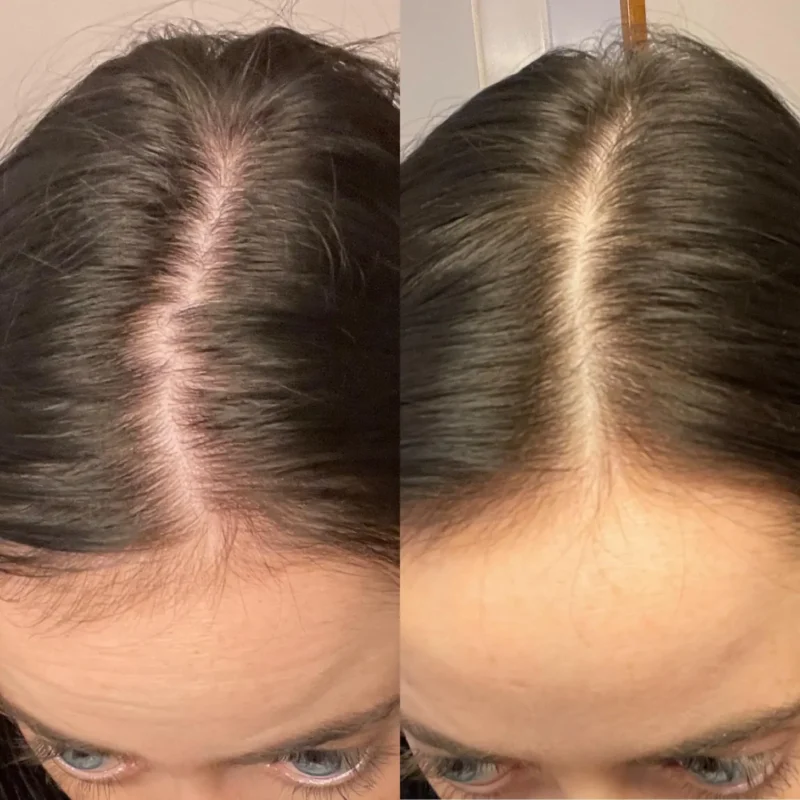
DHT-Related Hair Loss: Prevention, Mitigation, and Treatment Guide for Canadians | roidshopcanada.com
Many performance compounds—including anabolic steroids—increase dihydrotestosterone (DHT), a potent androgen linked to hair loss in genetically susceptible individuals. Whether you’re starting a cycle or already experiencing thinning, this comprehensive, guide from roidshopcanada.com covers everything Canadian users need to know about preventing and managing DHT-related hair loss.
1. Understanding DHT and Hair Loss
-
What is DHT?
DHT (dihydrotestosterone) is a byproduct of testosterone, formed via the 5-alpha-reductase enzyme. It binds to hair follicles, causing them to shrink, weaken, and eventually stop producing hair—especially in men with a genetic predisposition (male pattern baldness). -
Why Do Steroids Increase DHT?
Many anabolic steroids, especially DHT derivatives (Winstrol, Masteron, Anavar), and even testosterone itself, can raise DHT levels, accelerating hair loss for those at risk.
2. Prevention Strategies
A. Choose Lower-Risk Compounds
- Prefer non-DHT derivatives or milder options (EQ, Deca, SARMs like Ostarine)
- Avoid high doses of testosterone, Winstrol, Masteron, and other strong DHT-based steroids if concerned about hair
B. Limit Cycle Duration & Dose
- Shorter cycles and moderate dosing lower DHT exposure and risk
C. Family History Check
- If male pattern baldness runs in your family, take extra precautions or reconsider higher-risk compounds
3. Hair Loss Mitigation During Cycles
A. Topical 5-Alpha Reductase Inhibitors
- Minoxidil (Rogaine): Increases blood flow to the scalp, slows shedding, and stimulates regrowth; available over-the-counter in Canada
- Ketoconazole Shampoo (Nizoral): Reduces scalp inflammation and may lower DHT locally; use 2–3 times per week
B. Prescription 5-Alpha Reductase Inhibitors
- Finasteride (Propecia): Blocks conversion of testosterone to DHT; can reduce hair loss but may affect sexual function
- Dutasteride: Stronger DHT blocker, but with higher risk of side effects—only for severe cases and under physician supervision
C. Supportive Supplements
- Saw Palmetto: Herbal DHT inhibitor; modest effect, best used as adjunct support
- Biotin, Zinc, Iron: Promote hair growth and overall scalp health
4. Treatment Options for Established Hair Loss
A. Medical Interventions
- Oral Finasteride or Dutasteride: Start only under doctor supervision; monitor for side effects
- Prescription Minoxidil: For more persistent cases
- Platelet-Rich Plasma (PRP) Therapy: In-office treatment that can stimulate regrowth in thinning areas
B. Cosmetic Solutions
- Hair Fibers & Concealers: Instantly thickens the appearance of thinning hair
- Hair Transplant Surgery: Permanent, but costly and best reserved for stable, non-progressive cases
C. Lifestyle Measures
- Gentle Hair Care: Avoid harsh shampoos, heat styling, and tight hairstyles
- Reduce Stress: Chronic stress can worsen hair loss
5. Key Tips for Canadians
- Always check Health Canada–approved products and consult a medical professional before starting prescription treatments.
- Regularly monitor your scalp, especially during and after steroid cycles.
- Treat early—hair loss is easier to slow and reverse in the early stages.
Frequently Asked Questions
Will hair loss reverse after a cycle?
It may slow or stop, but lost hair often won’t regrow unless aggressively treated early.
Is finasteride safe with steroids?
Generally, yes, but always consult a physician to avoid hormonal imbalances or side effects.
Are there natural alternatives?
Saw palmetto and certain shampoos help, but are less effective than medical treatments.
Trusted Resources
- Health Canada – Hair Loss Treatments
- Mayo Clinic – Male Pattern Baldness
- Examine.com – DHT and Hair Loss
For more expert performance and wellness advice, visit roidshopcanada.com—Canada’s source for safe, science-backed bodybuilding guidance.